

Brake Caliper Guide: How to Choose the Right Brake Caliper for Safer and More Efficient Vehicle Braking Systems
This guide explains how brake calipers work, what factors to consider when selecting them, and how global manufacturers are advancing braking technology to meet the demands of modern vehicles. It also introduces a leading enterprise with decades of experience in braking system manufacturing and international trade.
Understanding the Role of a Brake Caliper
A brake caliper is a key component in disc brake systems. When the driver presses the brake pedal, hydraulic pressure forces the caliper pistons to push brake pads against the rotor. This friction slows or stops the vehicle.
There are two main types of brake calipers:
Floating (Sliding) Calipers – Move laterally and are commonly used in standard passenger vehicles.
Fixed Calipers – Feature pistons on both sides of the rotor and are typically found in high-performance or heavy-duty vehicles.
Each type has different advantages in terms of cost, performance, and durability, making proper selection crucial depending on the application.
Why Choosing the Right Brake Caliper Matters
A properly selected brake caliper ensures:
Shorter braking distances
Improved heat dissipation
Reduced brake fade under heavy use
Longer lifespan of brake pads and rotors
Enhanced driving safety and stability
On the other hand, an incompatible or low-quality caliper can lead to uneven braking, increased wear, and potential safety hazards.
Key Factors When Selecting a Brake Caliper
When choosing a brake caliper for a vehicle or aftermarket replacement, several important factors should be considered:
1. Vehicle Compatibility
The caliper must match the vehicle’s make, model, and braking system design. Incorrect fitment can affect braking efficiency and safety.
2. Material and Durability
High-quality calipers are typically made from cast iron or aluminum alloys. Aluminum calipers are lighter and improve heat dissipation, while cast iron offers durability and strength.
3. Piston Design
Single-piston calipers are common in everyday vehicles, while multi-piston designs provide stronger and more even braking force, often used in performance vehicles.
4. Heat Resistance
During braking, extreme heat is generated. A good caliper must maintain performance under high temperatures without deformation or fluid leakage.
5. Corrosion Protection
Exposure to water, salt, and dirt requires protective coatings or treated materials to ensure long-term reliability.
6. OEM or Aftermarket Standards
Choosing between OEM-equivalent and aftermarket performance calipers depends on usage needs, budget, and performance expectations.
Global Demand for High-Quality Brake Calipers
As the automotive industry continues to grow, demand for reliable brake systems has increased significantly. Vehicle safety regulations have become stricter worldwide, pushing manufacturers to improve braking efficiency and durability.
Key global trends include:
Rising demand for aftermarket replacement parts
Expansion of electric and hybrid vehicles requiring specialized braking systems
Growth of international automotive trade networks
Increasing focus on safety and performance standards
In this competitive environment, manufacturers with strong engineering capabilities and global supply experience are gaining significant advantages.
Company Background: A Legacy in Brake System Manufacturing
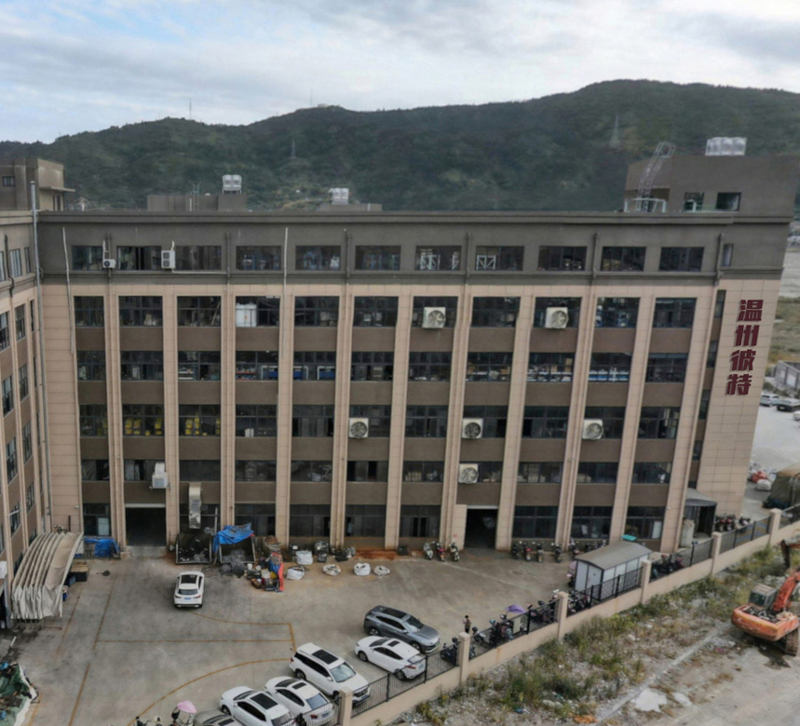
Founded in 1998 as a small workshop producing automotive components, the company behind this guide has evolved into a fully integrated manufacturing and trading enterprise specializing in high-quality braking systems.
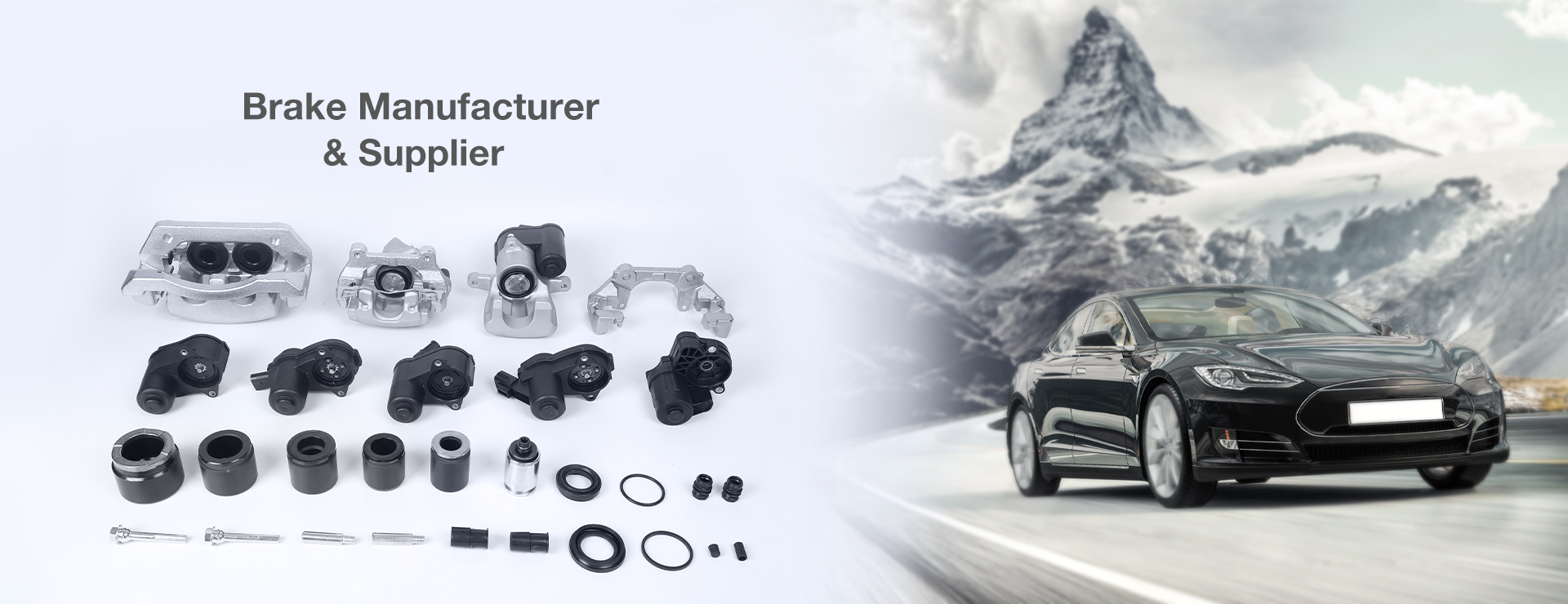
Over more than 27 years of development, the company has expanded from a domestic parts supplier into a globally recognized provider of brake calipers, repair kits, motors, caliper brackets, brake drum repair kits, and other essential automotive components.
From Humble Beginnings to Global Expansion
The company’s journey began in 1998, focusing on precision brake components for the domestic aftermarket. At that time, operations were small-scale but highly specialized, laying the foundation for future growth.
By 2008, the company reached a major milestone by establishing its own brake caliper manufacturing facility. This step significantly improved production control, product quality, and supply stability, allowing the company to serve Chinese trading partners more effectively.
In 2018, the company took another strategic step by founding an international trading division. This expansion enabled direct engagement with global customers and marked the beginning of its strong presence in international markets.
Today, the company operates as both a manufacturer and global supplier, serving customers across Asia, Europe, North America, Russia, and South America.
Comprehensive Product Portfolio
With more than 10,000 part numbers in its catalog, the company offers a wide range of braking system solutions for passenger cars and commercial applications.
Core Product Lines Include:
Brake Calipers
Designed for durability, precision, and consistent performance. Widely used in China, Europe, and North America.
Repair Kits
Popular in Russia and South America, providing cost-effective and reliable maintenance solutions.
Motors and Caliper Brackets
Engineered for compatibility and precision across various vehicle models.
Brake Drum Repair Kits
Trusted globally by distributors and automotive workshops for dependable performance.
This extensive product range allows the company to meet diverse market needs and provide complete braking system solutions.
Global Market Presence
The company currently exports products to more than 30 countries worldwide.
China – Strong domestic aftermarket demand continues to drive growth.
Europe & North America – Key markets for high-performance brake calipers competing with established premium brands.
Russia & South America – Major markets for repair kits known for affordability and reliability.
This global footprint demonstrates the company’s ability to adapt to different regulatory standards, climate conditions, and customer expectations.
Commitment to Quality and Innovation
Quality control is the foundation of the company’s operations. Every product undergoes strict testing procedures, including:
Dimensional accuracy checks
Pressure and load testing
Heat resistance evaluation
Durability and fatigue testing
The company operates advanced manufacturing facilities equipped with modern machinery to ensure precision and consistency in every component produced.
In addition, continuous investment in research and development allows the company to innovate new braking solutions that meet evolving industry requirements, including lightweight designs, improved heat dissipation systems, and enhanced corrosion resistance technologies.
Customer-Oriented Development Strategy
Beyond manufacturing, the company works closely with global clients to develop customized braking solutions. This includes adapting products for regional vehicle models, environmental conditions, and market-specific requirements.
This flexible and collaborative approach has helped the company build long-term partnerships with distributors, wholesalers, and automotive service providers worldwide.
Conclusion
Selecting the right brake caliper is essential for ensuring vehicle safety, performance, and reliability. From material selection and piston design to compatibility and heat resistance, every detail plays a critical role in braking efficiency.
With decades of manufacturing experience, a broad product portfolio, and a strong global presence, the company continues to provide reliable and high-performance braking solutions for customers worldwide.
To learn more about brake calipers and automotive braking solutions, visit:
https://www.wzbitautomobile.com/
Wenzhou BIT Automobile Parts Co., Ltd.
Wenzhou BIT Automobile Parts Co., Ltd.
+ +86 18857856585
sales@bitautomobile.com
Legal Disclaimer:
EIN Presswire provides this news content "as is" without warranty of any kind. We do not accept any responsibility or liability for the accuracy, content, images, videos, licenses, completeness, legality, or reliability of the information contained in this article. If you have any complaints or copyright issues related to this article, kindly contact the author above.
